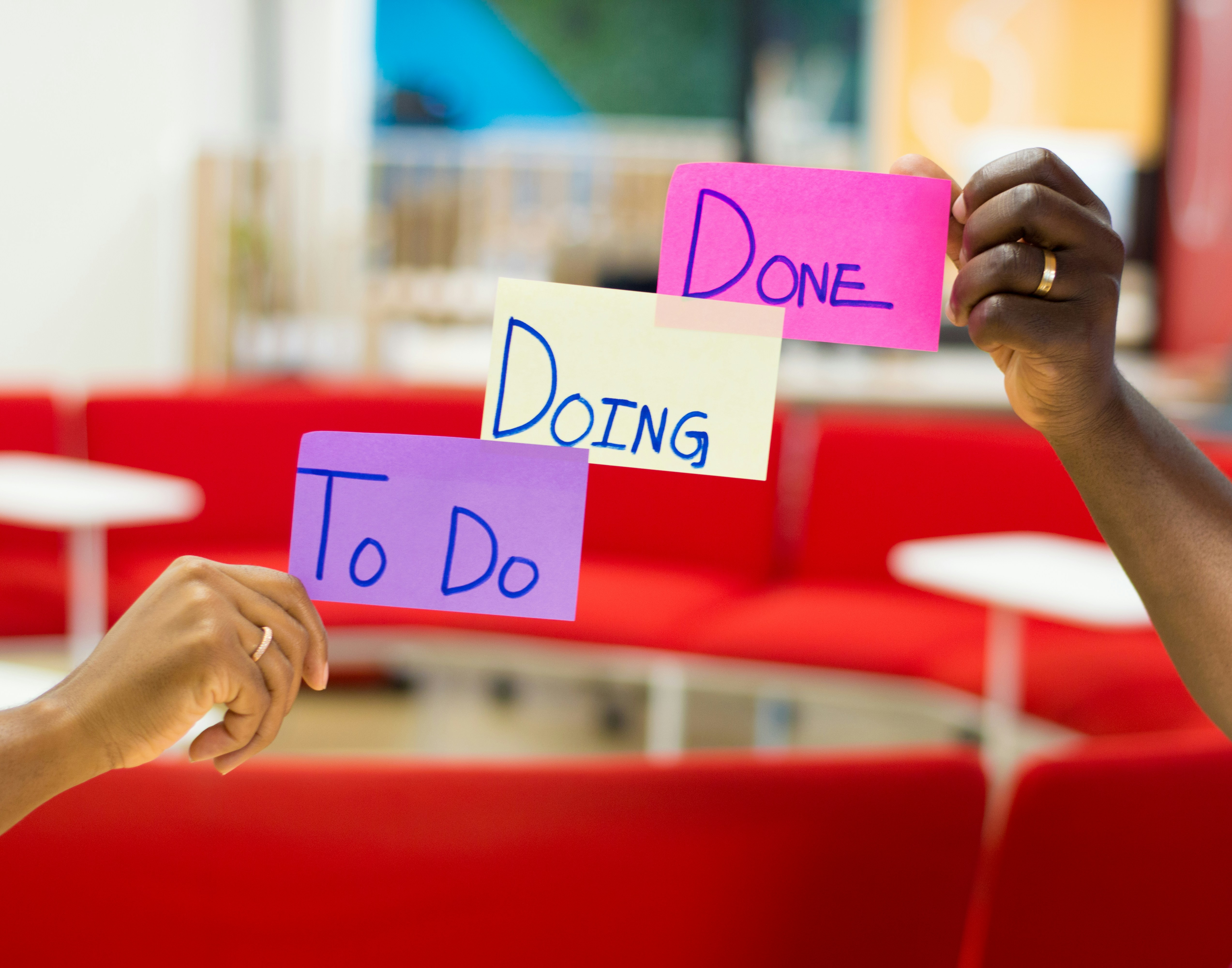
My entry into Agile wasn't through a textbook. It was through months of real work. During the Data Analytics Bootcamp at IT Academy, Alana Olivieri set the standard from day one — and kept raising it. She had a way of pulling the best out of each person, pushing the bar higher every sprint without you realising it was happening. You didn't just complete cycles. You grew inside them. Joan Gasull and Yunier Córdova were always there when the work got hard: statistical rigour when my final project needed it most, real e-commerce context that kept the analysis grounded. Then came the Business Simulator. Verónica Figueroa took on a dual Product Owner and Scrum Master role — introducing Kanban, running daily stand-ups, facilitating weekly retrospectives. That's where the methodology became a discipline. Practice first. Theory after. That's the sequence that actually works. The Atlassian Agile Project Management Professional Certificate gave the final layer: Scrum ceremonies with precision, Jira workflow design, backlog orchestration, stakeholder management under pressure. The concepts I had lived now had names, frameworks, and professional standards. → A sprint without a shared definition of done doesn't accelerate delivery — it accelerates misalignment. The cost shows up in the last week, not the first. → Kanban doesn't just organise work. It makes bottlenecks visible before they become crises — which changes where a leader focuses attention. → Retrospectives are the most underused strategic tool in most organisations. When the team feels safe enough to be honest, they become a compounding advantage. The certificate gave these instincts a name, a framework, and a professional standard. The precision was new. The logic wasn't. To Agile practitioners: what was the moment it stopped being a process and became a way of thinking?