
#TheExecutionGap YOU DON'T HAVE A TECHNOLOGY PROBLEM. YOU HAVE A MANAGEMENT SYSTEM PROBLEM.
GE spent $4 billion trying to become a software company.
Technology wasn't the issue.
The company didn't change.
Digital transformation is the most funded and least transformational initiative in the modern corporation.
Not because the tools fail. Because the organization that buys them keeps making decisions the same way it did before.
Roger Martin's Strategic Choice Cascade names the mechanism: strategy has five interdependent choices, and the fifth, Management Systems, is the one most organizations underestimate.
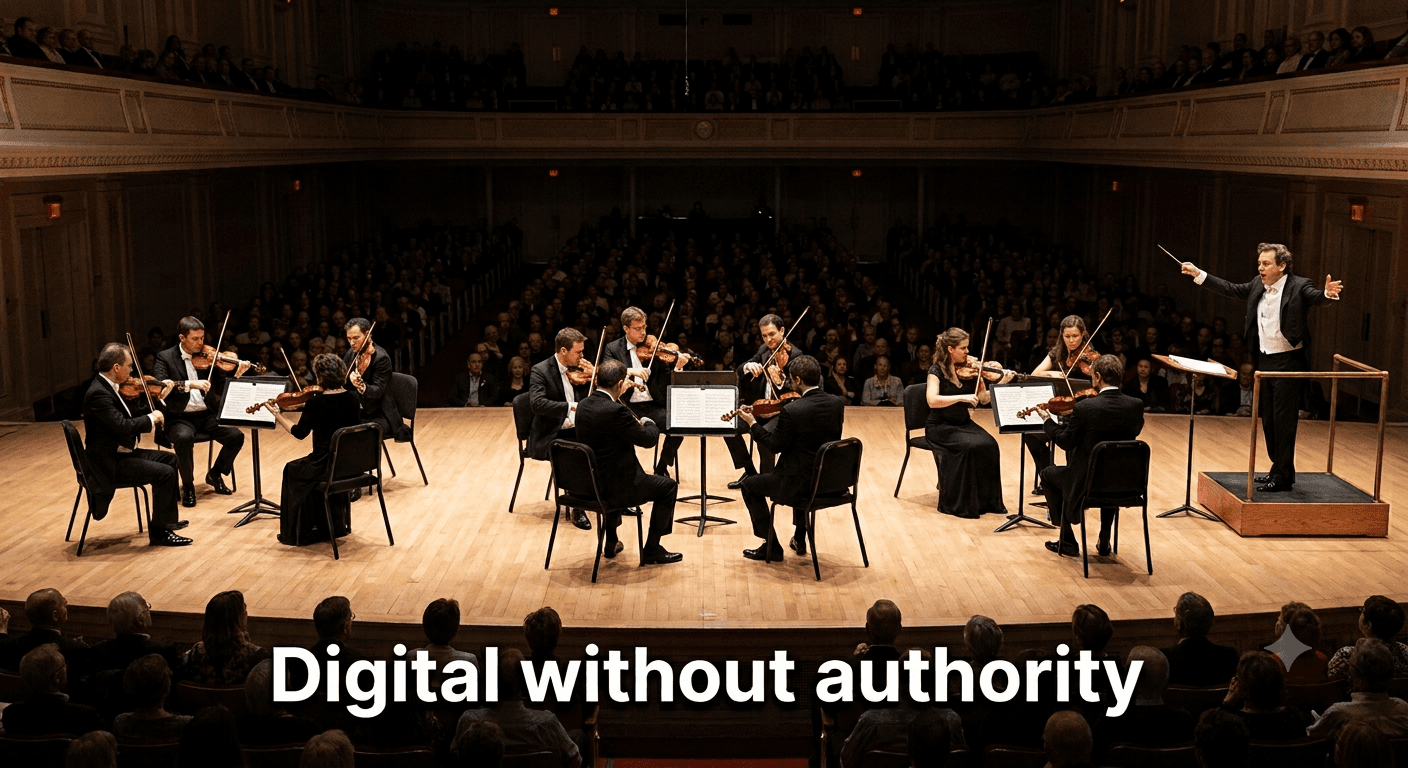
✅ Digital without authority. Case: GE Digital (2013-2021)
GE launched Predix in 2013, spent close to $4 billion by 2017, and hired thousands of engineers.
What it never gave GE Digital was authority over how the rest of GE operated.
Predix ended up sold mostly to internal units with no incentive to change, and to external customers with no data literacy to consume it.
In 2018 the new CEO called a two-month timeout on Predix. In 2021 GE split into three separate companies: Aviation, Power, Healthcare.
The organization it was meant to transform never signed up.
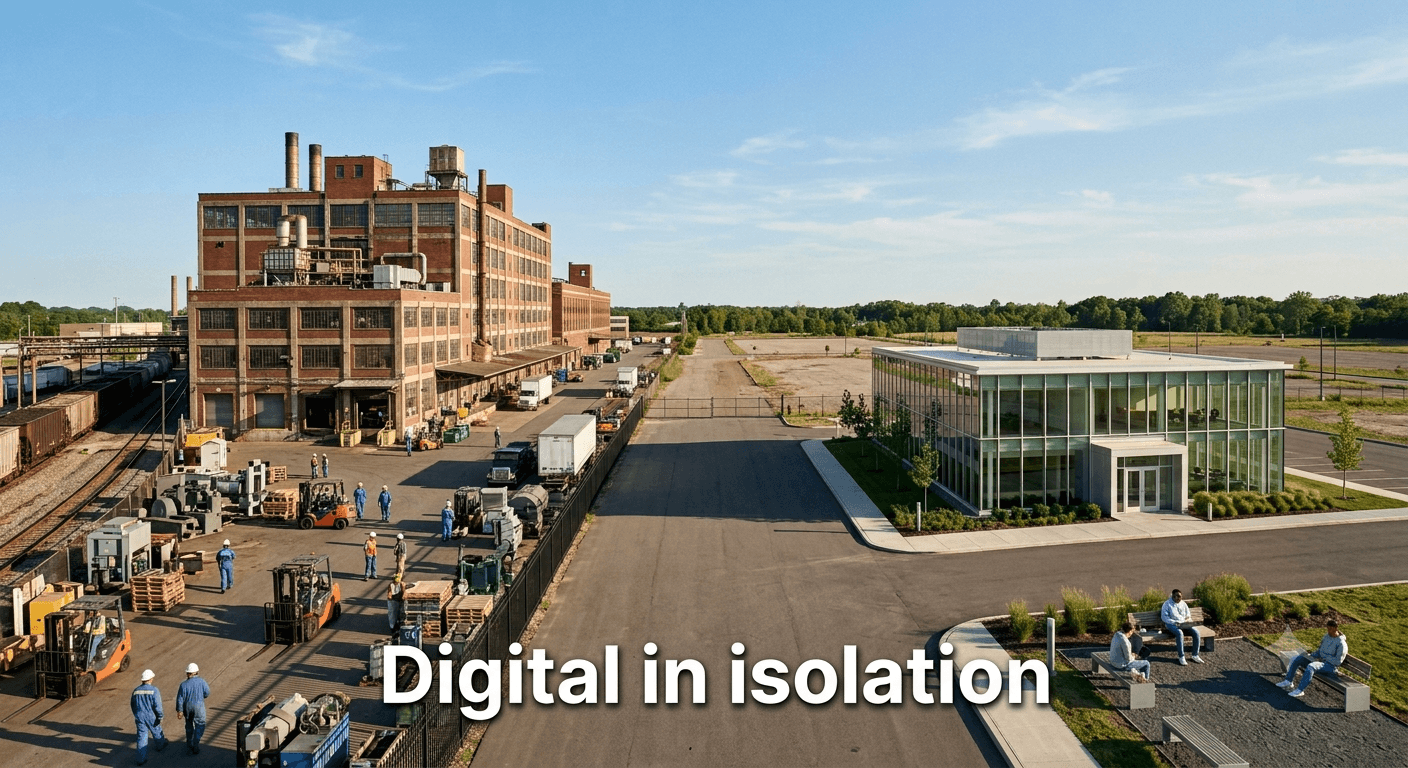
✅ Digital in isolation. Case: Ford Motor Company Smart Mobility (2016-2025)
Ford created Smart Mobility LLC in 2016 as a separate subsidiary, explicitly to protect it from the parent's industrial culture.
The protection worked. So did the isolation.
Chariot closed in 2019 after $300 million in losses.
Argo AI closed in 2022 after $3.6 billion committed.
In June 2025, Ford canceled FNV4, its next-generation software architecture, after $10 billion in cumulative software losses.
Nine years, three shutdowns.
Isolating digital from the organization you want to transform is the same as guaranteeing it won't transform anything.
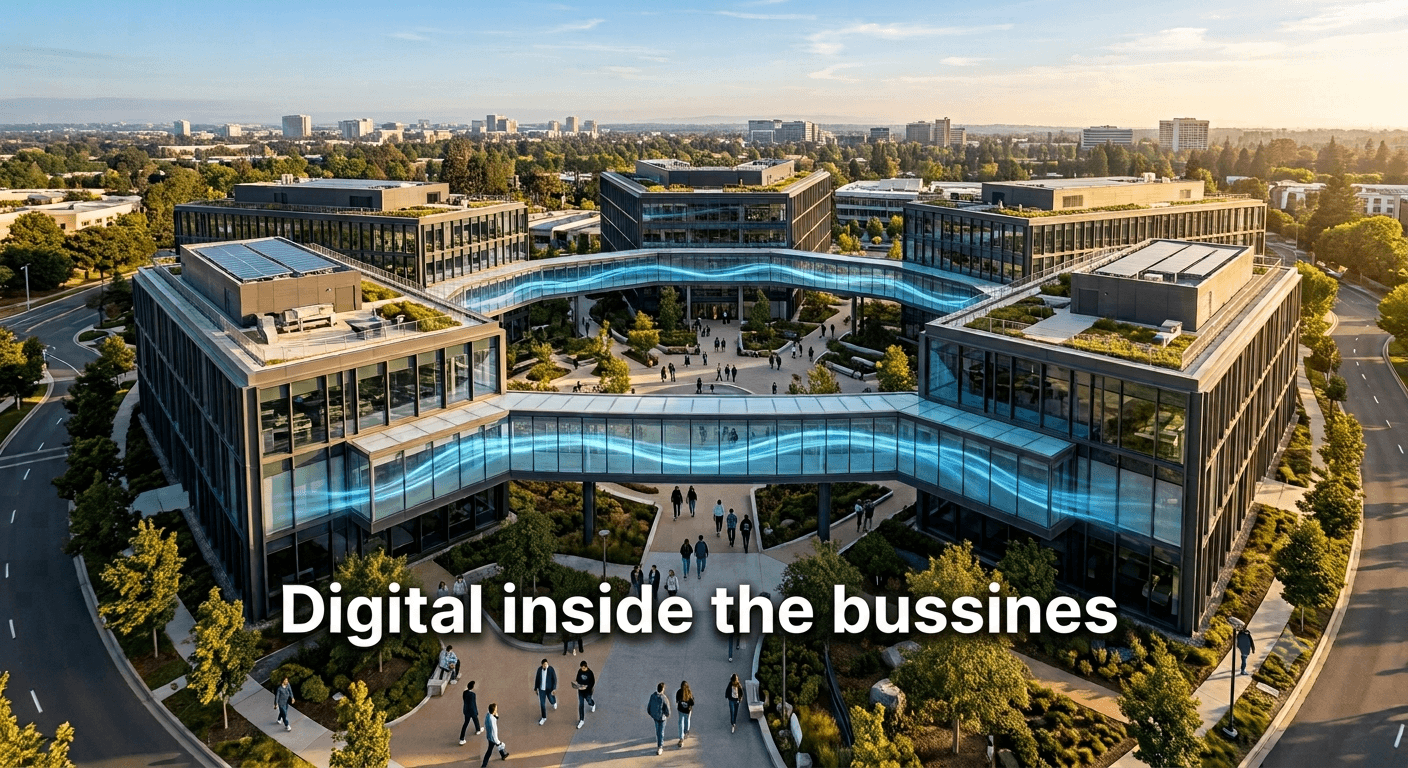
✅ Digital inside the business. Case: Walmart Global Tech
Walmart chose the opposite structure.
No spinoff, no parallel CDO budget.
Cross-functional pilot groups operating as startups inside the business, tech teams wired into omnichannel execution, inventory visibility, and fulfillment, and a hybrid cloud model with Microsoft Azure integrated with existing infrastructure, not replacing it.
This is Bain's Inner Loop / Outer Loop applied at enterprise scale: signal from stores flowing directly into structural decisions, not filtered through a separate unit that had to be sold to internally.
Technology was never a project separate from how the company already ran itself.
By 2024, Walmart's revenue had reached $680 billion, ahead of Amazon's $638 billion.
In 2026, it crossed $1 trillion in market cap.
The moment transformation becomes a department, it stops being transformation.
If your transformation plan sits in a separate slide deck from your operating plan, that's the sign.
#TheExecutionGap · Layer 2, Digital Transformation · 2.0
#DigitalTransformation #OrganizationalGovernance #ExecutiveLeadership #OriacGimeno